A proposed field program can look straightforward on a map, yet the work may depend on several separate permissions being in place. Missing one can affect your schedule, field crew arrangements and ability to carry out the planned activities.
Before you mobilise, it helps to understand what a work approval application is meant to address, what information may be needed and how it fits with your tenement obligations. The right checks depend on the title, the proposed work and the rules that apply in the relevant state or territory.
What a work approval application covers
A work approval is an authorisation or permit that may be required before particular activities can take place. The approval pathway depends on the jurisdiction, the type of tenement and the work proposed. An exploration licence, for example, does not necessarily mean every activity shown in an exploration program can begin immediately.
The term “work approval” can refer to different processes across Australia. It may involve a Government department, another regulator or a land access process. Do not assume that one approval covers every activity, or that an approval held for an earlier program applies to a changed program.
The first practical step is to describe the work clearly. Consider the activity, its location, the equipment involved, the expected timing and any likely ground disturbance. A program involving vehicle access and low-impact sampling may raise different approval questions from drilling, track construction or vegetation clearing.
Keep the application aligned with the actual field plan. If the proposed work changes after an application is lodged or approved, check whether the change needs to be reported or assessed before it proceeds. The relevant requirements should be confirmed for the project and jurisdiction.
Start with the title and its conditions
Before preparing an application, check the current tenement details and conditions. These can identify activity limits, reporting duties, dates, access requirements or other obligations relevant to the proposed work. A title record is a starting point, not a substitute for checking the full set of conditions and applicable requirements.
Confirm that the proposed work falls within the area and purpose of the tenure. Check boundaries against current spatial information, and make sure work locations are described consistently across maps, schedules and application forms. A mismatch between a coordinate, map layer and written description can create avoidable questions during assessment.
Also review existing commitments and approvals. They may relate to a different activity, location, timeframe or operator. Record their scope and any conditions that need to be met before work begins. If an approval has expired or the program has changed, do not treat it as current without checking.
A useful early-stage record is a simple obligations table. List each proposed activity, the relevant title condition or approval pathway, the responsible person and the evidence needed before mobilisation. This makes gaps easier to spot and gives your team a shared reference point.
Build an application that reflects the field program
Applications are easier to assess when the information is specific and internally consistent. Depending on the relevant process, you may need to provide work locations, activity descriptions, maps, timing, methods and details of expected disturbance. Check the current form and guidance for the exact requirements rather than relying on an old application as a template.
Describe the work in terms that match what the crew will do. If a program includes multiple stages, set them out separately. For example, identify access preparation, drilling locations, sample collection and rehabilitation measures as distinct elements where that reflects the proposed work. Avoid broad descriptions that leave the scale or location unclear.
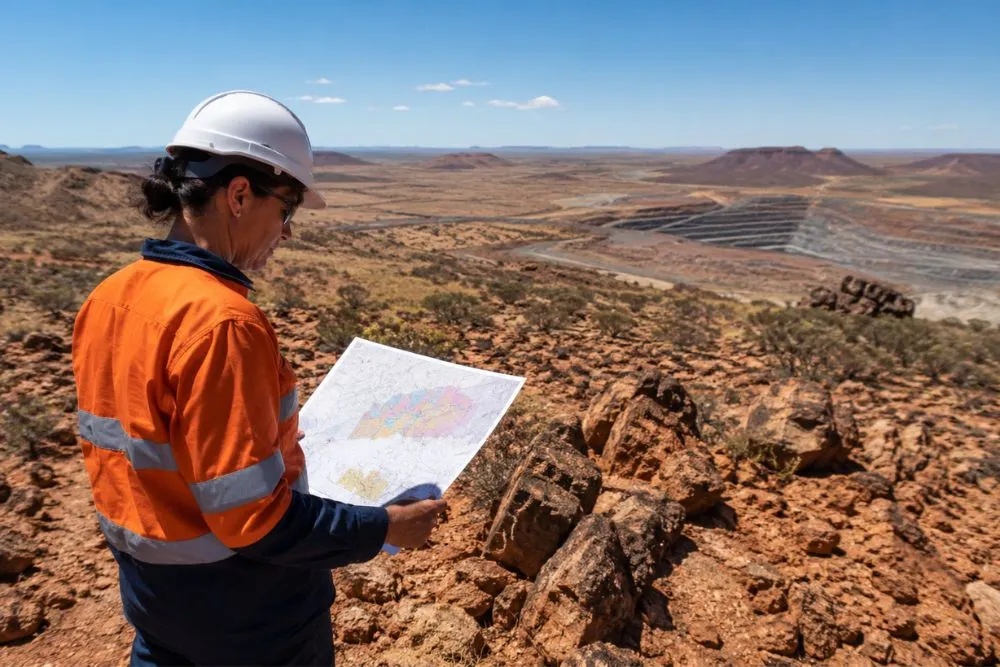
Maps should support the written material. Use legible labels, a clear legend, an appropriate scale and location data that match the application. Check that the map shows the relevant title boundary and proposed work areas. If the work is close to a boundary or another constraint, make that clear rather than relying on the reader to infer it.
Before submission, run a consistency check. Compare the application, maps, activity schedule and supporting documents for matching names, dates, coordinates and program details. Keep a record of what was submitted and when. A clear version history can help if the program changes or the regulator asks for clarification.
Coordinate approvals, access and environmental requirements
A work approval application is only one part of mobilisation planning. You may also need to address land access, landholder arrangements, native title processes, heritage considerations or environmental approvals. Which steps apply depends on the location, activity and existing agreements or authorisations.
Treat these processes as related but distinct. An approval from one authority does not automatically resolve obligations to another party. Likewise, having access arrangements in place does not necessarily authorise every form of ground disturbance. Map each required decision and agreement to the work it covers.
Build the sequence into your schedule. Some steps may need to happen before an application can be completed; others may affect when fieldwork can start. Allow time to respond to requests for more information and to meet any conditions imposed. Avoid setting a mobilisation date on the assumption that every step will be resolved by a particular time.
Keep communication records with the relevant parties and maintain a central register of approvals, conditions, expiry dates and reporting duties. Assign an owner to each action. This helps prevent a condition from being overlooked when responsibilities pass between exploration, tenement, legal and environmental teams.
After approval: manage conditions and changes
Read the approval conditions before work starts and translate them into field instructions. Conditions may set limits on where or how work occurs, require notification or records, or specify rehabilitation and reporting steps. Make sure the people planning and carrying out the work can access the current requirements.
Monitor the program against the authorised scope. If a drill location moves, access needs change or the proposed method is altered, pause to check whether the approval still covers the revised work. The answer depends on the approval and governing process, so do not assume a change is minor simply because it appears small on a map.
Keep evidence as work progresses. Depending on the requirements, records may include activity dates, locations, contractor details, photographs, disturbance information and rehabilitation actions. Store these with the relevant approval and title records so they can be found for reporting, review or future planning.
Close out each program deliberately. Confirm that required reports have been lodged, conditions have been addressed and records are complete. If further work is planned, check whether a new application or updated approval is needed. A tidy close-out makes it easier to distinguish completed activities from future proposals.
The Takeaway
A work approval application should match the field program, the tenement conditions and the other permissions that apply to the proposed activities. Check the scope, locations, supporting material and conditions before mobilisation, then keep records as the program changes or progresses.
For help with work approval applications and related tenement compliance, visit hetherington.net.au or speak with the team. Keep your tenements secure and compliant. Talk to Hetherington today.
Frequently Asked Questions
1. Does holding an exploration tenement mean I can start work?
Not necessarily. A tenement grants rights subject to its conditions and applicable laws, but separate approvals, access arrangements or other processes may apply to particular activities. Check the requirements for the work and location before starting.
2. What information should I prepare before applying?
Start with a clear activity description, proposed locations, timing and a map that matches the written details. The exact information depends on the applicable process, so check the current application requirements and any relevant title conditions.
3. Can I use an approval from an earlier exploration program?
Only if it remains current and covers the proposed activity, location and timeframe. Check its scope and conditions, especially if the program, operator or work methods have changed.
4. What if the field program changes after I apply?
Check the application status and approval conditions before carrying out the revised work. A change may require notification, amendment or a separate approval, depending on the process and its requirements.
5. Do land access arrangements replace work approvals?
They address different requirements. An access agreement may deal with entry or compensation, while a work approval may address the activity itself. Confirm each applicable process separately.
6. Who can help coordinate the application and compliance steps?
A tenement management adviser can help identify relevant title obligations, organise application material and track conditions. The appropriate support depends on the project and jurisdiction. Seek legal or environmental input where those matters arise.
This article provides general information only and is not legal, tenement-management or environmental advice. Requirements vary by jurisdiction and project. Confirm current obligations with the relevant authority and obtain advice specific to your circumstances. Hetherington provides services subject to the scope agreed with each client.