





Hetherington
Our StoryMeet the TeamTenementsLegalEnvironmentalSocial ImpactNewsThe Hetherington PostContact The Hetherington PostSeptember 2026
LinkedInInstagramSydney 02 9967 4844Perth 08 9228 9977
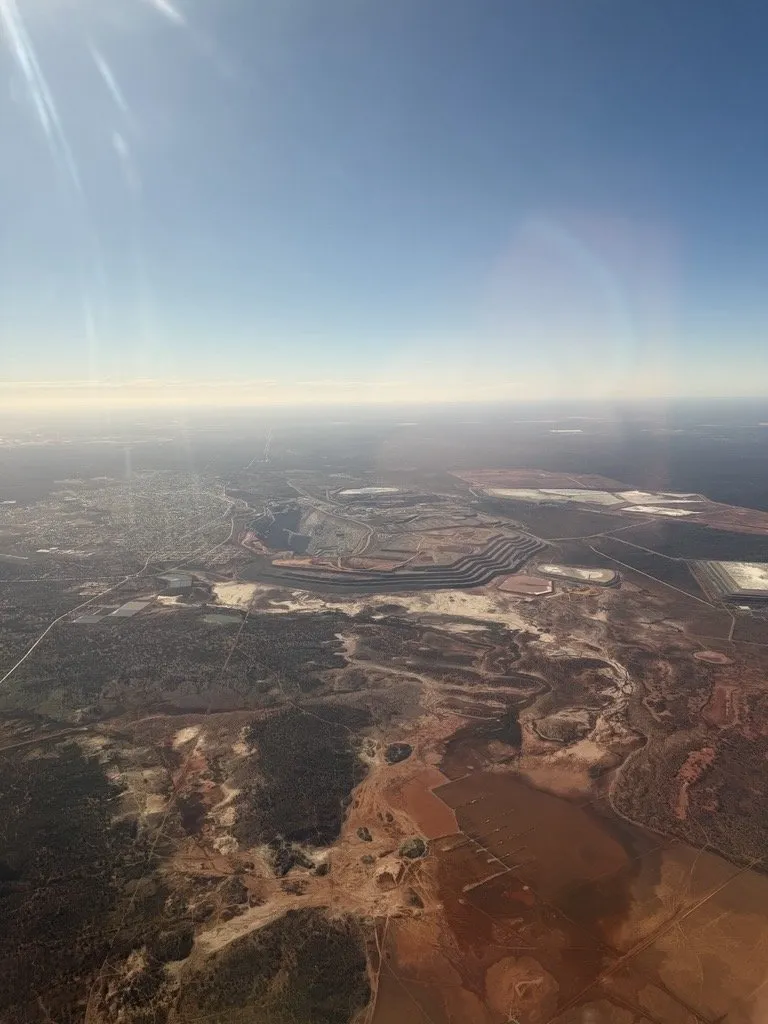
Aerial view over the Kalgoorlie Super Pit
Diggers & Dealers · Kalgoorlie WA

From the Goldfields to the Courtroom

A season on the road and in the courts – Diggers & Dealers in Kalgoorlie, the NSW Mining HSEC Conference in the Hunter Valley, three of our consultants admitted as Solicitors, and the regulatory shifts our team is tracking across NSW and WA.

Note from the editor

Reflecting on a season of milestones

As we move into the latter half of the year, it is a pleasure to reflect on some of the events, achievements and client engagements that have shaped recent months at Hetherington.

August began with the Diggers & Dealers Mining Forum in Kalgoorlie, where Julia Catalano (Managing Consultant/Associate Solicitor) and I had the opportunity to spend time with clients both in the field and at the conference. Maintaining close relationships with our clients is a cornerstone of our approach, and events such as Diggers & Dealers provide a valuable opportunity to connect in person, discuss industry developments, and gain a deeper understanding of the opportunities and challenges facing the sector.

Back in New South Wales, Yung Ju (Managing Consultant) and Jemima Moffat (Managing Consultant/Solicitor) attended the NSW Mining Health, Safety, Environment & Community Conference. Events like these enable our consultants to strengthen relationships with industry peers while gaining valuable insights into emerging best practices and evolving regulatory expectations.

This edition also celebrates several important milestones for our team, including new additions to our Sydney and Perth offices and the admission of colleagues to the Court. The continued growth of Hetherington and the achievements of our people are a source of great pride, and I look forward to what the remainder of the year will bring.

David Salim
CEO & Principal Solicitor, Hetherington
David Salim, CEO and Principal Solicitor, Hetherington
David Salim · CEO & Principal Solicitor
Feature · Kalgoorlie WA

Diggers & Dealers Mining Forum

3–5 August Kalgoorlie, WA 2,500+ delegates

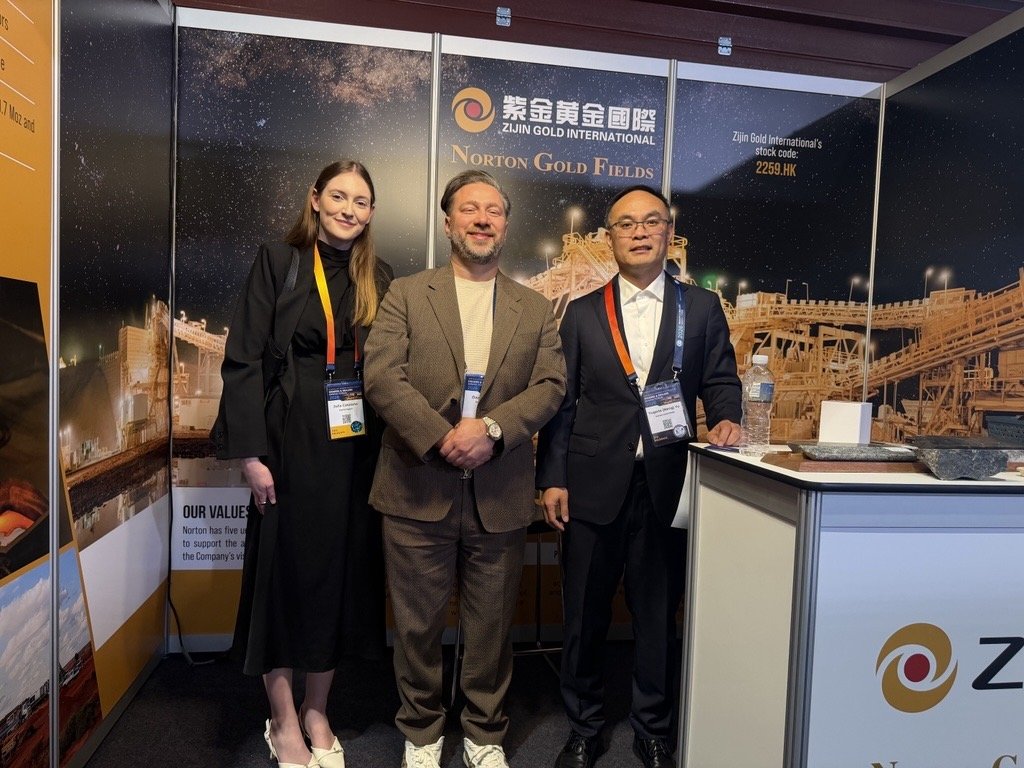
Over 3 to 5 August 2026, Hetherington's CEO & Principal Solicitor David Salim, and Managing Consultant & Associate Solicitor Julia Catalano attended the Diggers & Dealers Mining Forum in Kalgoorlie.

The Forum brought together over 2,500 delegates, including miners, explorers, investors, financiers, brokers, media, and government agencies, creating an engaging platform for networking, project development stories, and industry insights.

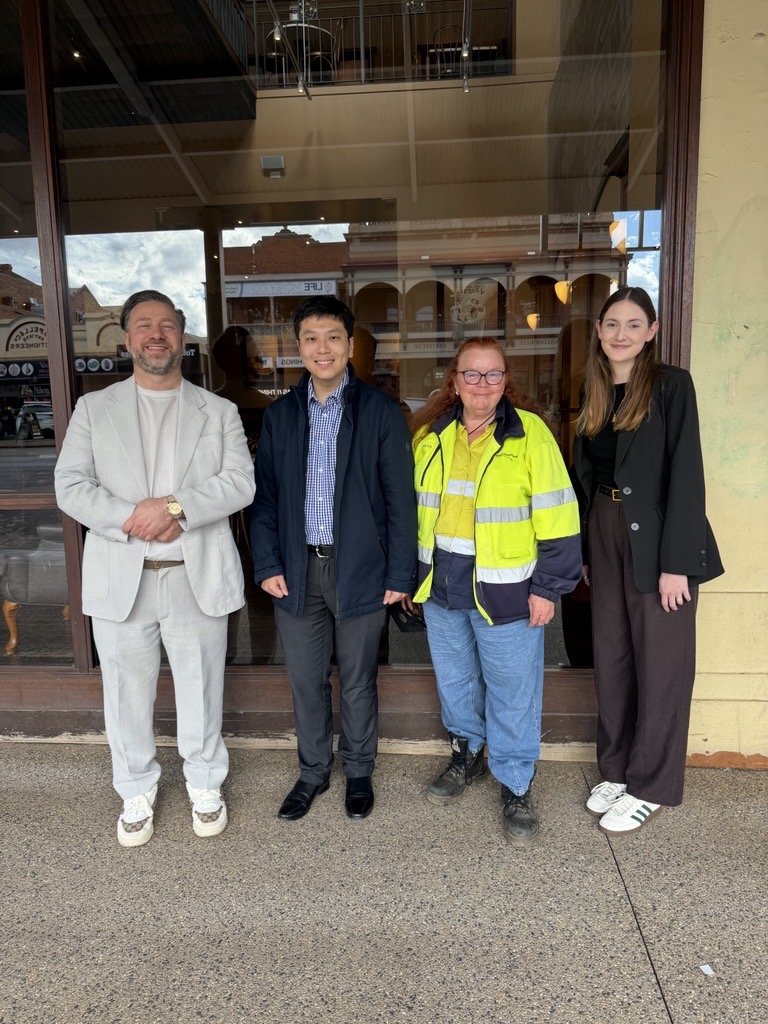
For David and Julia, the conference was not only an opportunity to hear from industry leaders but also to connect with valued clients, industry peers, and government agencies – from hearing about exciting project developments to having important conversations on the tenure approvals landscape across Australia.

▶  Kalgoorlie from above

Flying into the Goldfields – the approach over Kalgoorlie.

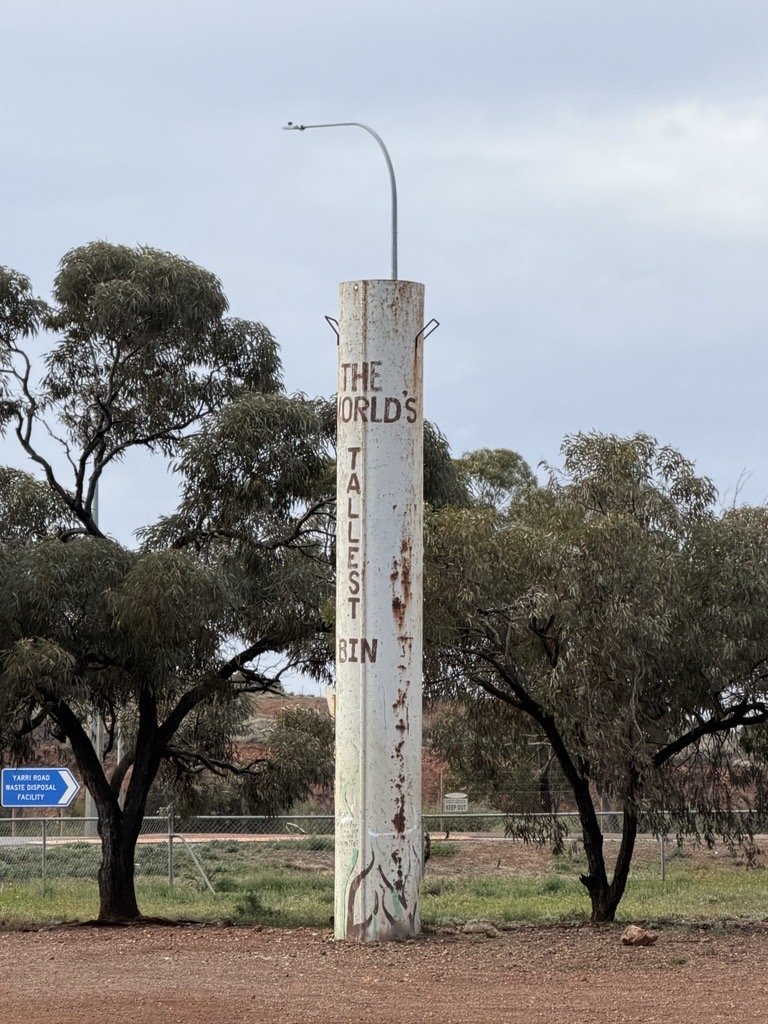
Aerial view over the Kalgoorlie Super Pit David Salim and Julia Catalano visiting an exhibitor stand at Diggers and Dealers The Hetherington team with clients in Kalgoorlie A Kalgoorlie landmark – the World's Tallest Bin
What's happening at Hetherington

NSW Mining Health, Safety, Environment & Community Conference

2–4 August Rydges Resort Hunter Valley

Hetherington was proud to once again attend the Health, Safety, Environment and Community (HSEC) Conference in August, hosted by the NSW Minerals Council in the Hunter Valley.

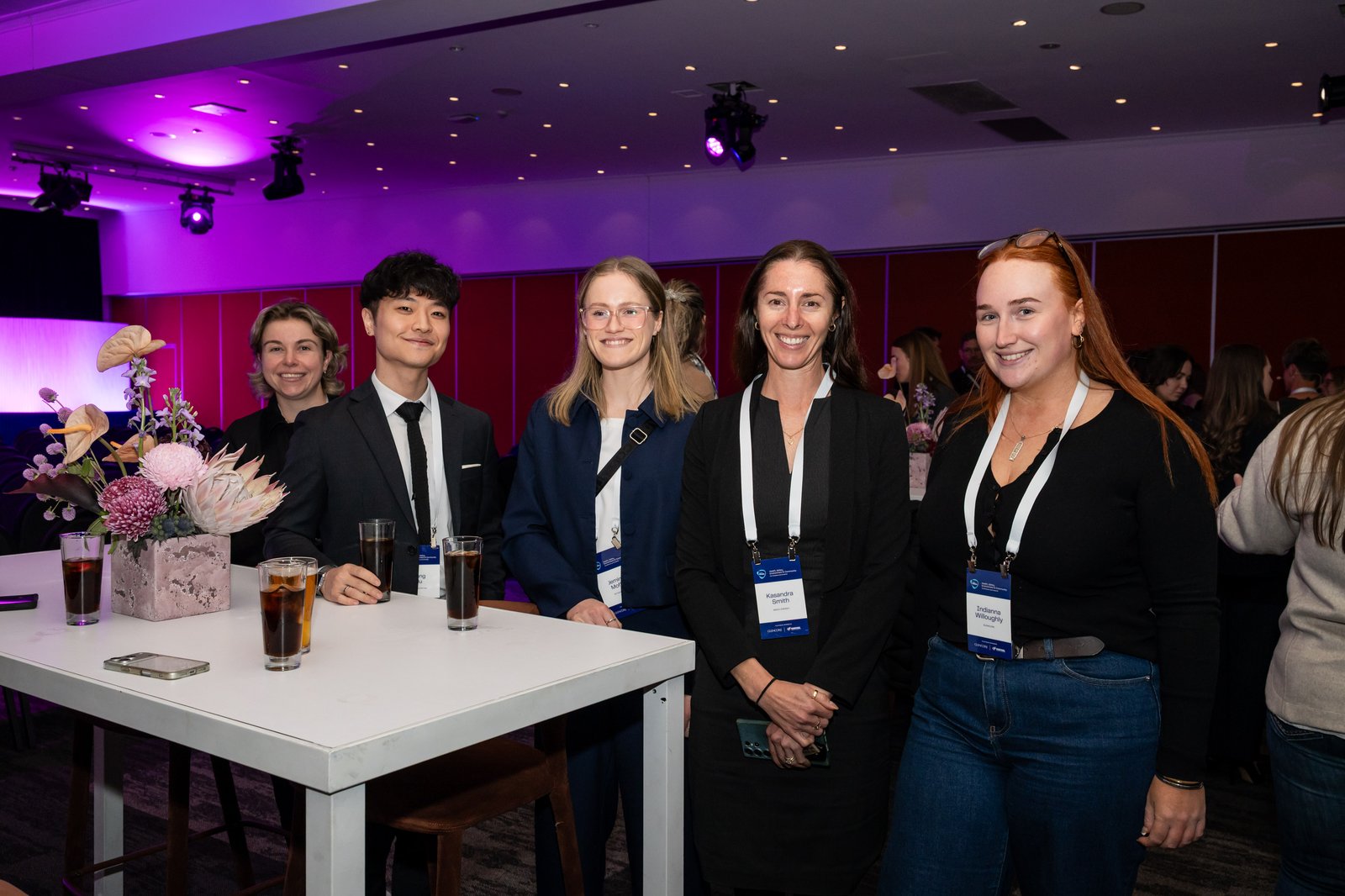
Managing Consultants, Yung and Jemima, enjoyed two days of insightful presentations from industry leaders and keynote speakers, taking part in ESG masterclasses and connecting with many of our valued clients across the coal and minerals sectors.

The Conference also hosted the 2026 NSW Mining HSEC Awards, and featured an inspiring Women in Leadership Forum, facilitated by WIMNet NSW and a panel of accomplished women in the mining industry.

A big thank you to the NSW Minerals Council for another fantastic HSEC Conference.

Jemima Moffat and Yung Ju at the HSEC Conference

Jemima and Yung at the HSEC Conference.

The 2026 NSW Mining HSEC Awards evening

The 2026 NSW Mining HSEC Awards.

WIMNet Mentoring Program – Lessons in Leadership

20 August Rydges Resort Hunter Valley 160 attendees

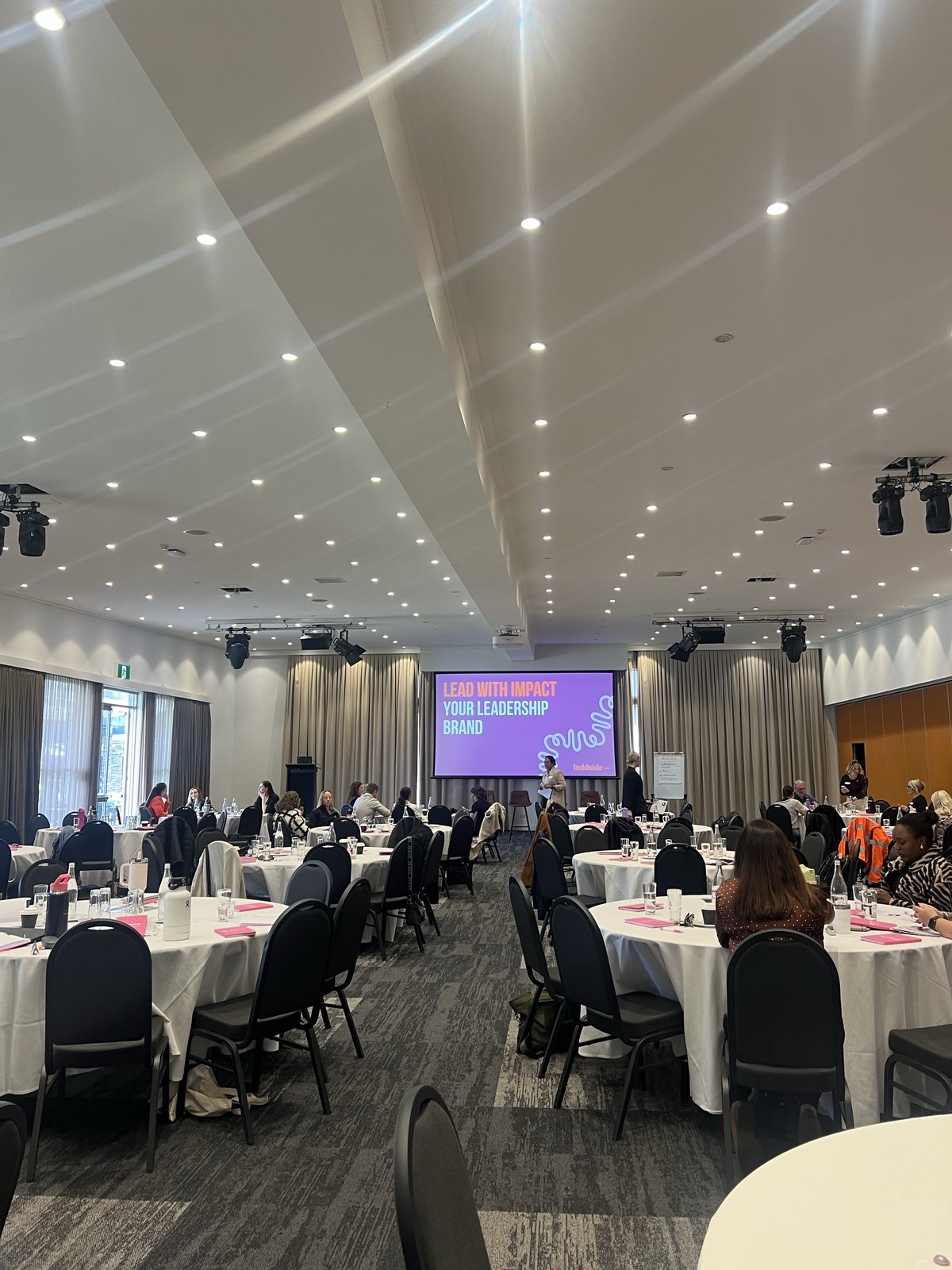
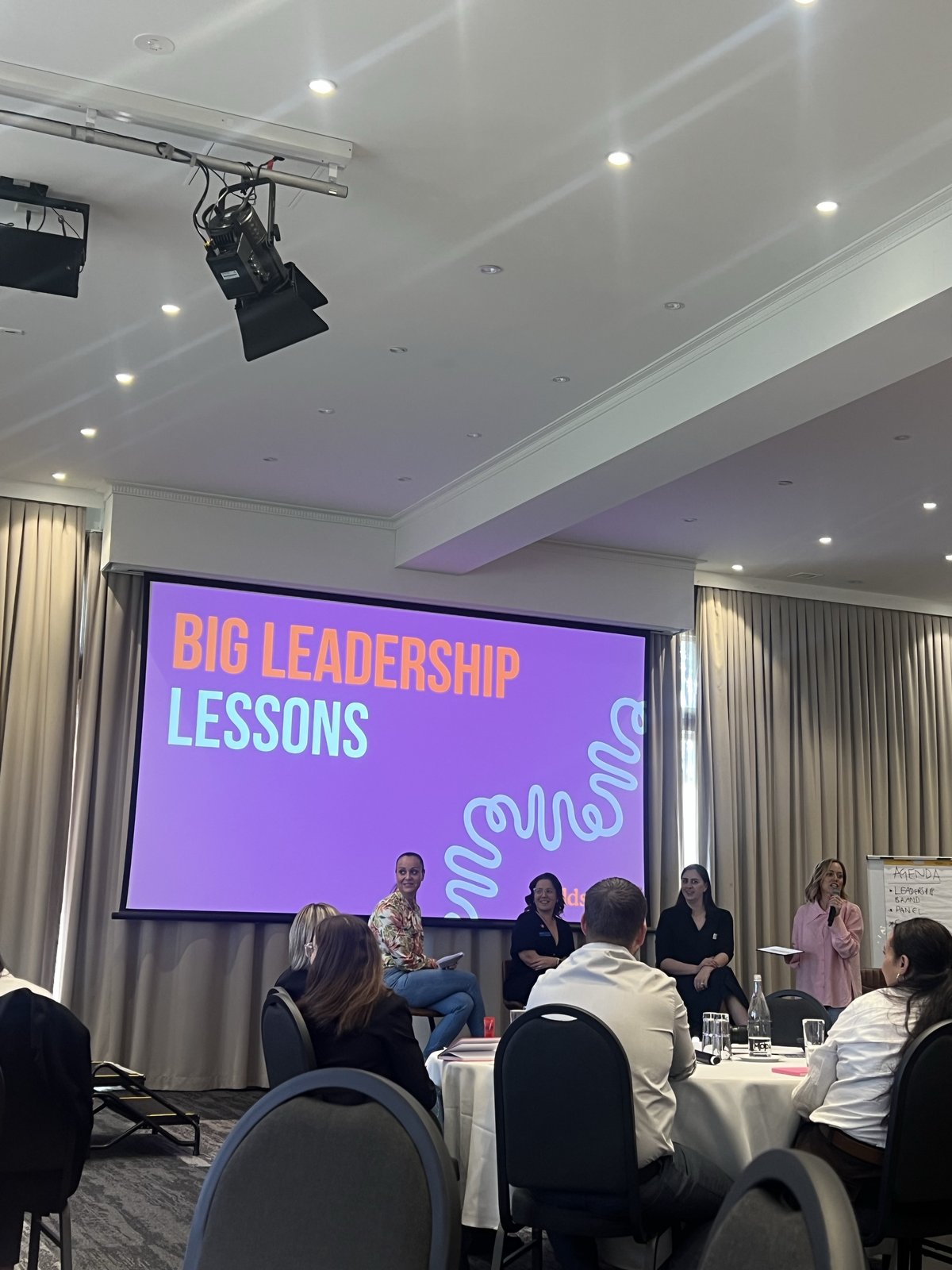
As part of the 2026 NSW Women in Mining Network's (WIMNet) mentoring program, Senior Consultant, Karinne Brown, attended the WIMNet Leadership Day in the Hunter Valley. Led by Boldside's Shelley Johnson, 160 attendees took part in an interactive professional development workshop focused on communication, leadership and personal branding.

The program opened with guided self-reflection exercises, encouraging attendees to consider their professional image and the values they contributed to their organisations. Participants then heard from a panel of industry leaders, who shared their experiences and career insights, before the day concluded with a practical session focused on communicating with impact.

Karinne's main takeaway from the day was that leadership is about influence, rather than position, and extends beyond managerial titles. She noted that anyone can demonstrate leadership and that a positive, mindful attitude can shape the dynamic of an entire meeting.

Karinne extends her gratitude to AusIMM, WIMNet and Boldside for this opportunity. Hetherington is proud to support Karinne's participation in the WIMNet mentoring program and looks forward to continuing to invest in her professional growth as a valued member of our consulting team.

Karinne Brown at the WIMNet Leadership Day, Hunter Valley The Lead With Impact workshop session at the WIMNet Leadership Day

Karinne at the WIMNet Leadership Day · the Lead With Impact workshop.

The Big Leadership Lessons panel of industry leaders

The Big Leadership Lessons panel.

Team news

A milestone worth celebrating

A proud moment for the Hetherington team as three of our consultants were admitted as Solicitors, marking an exciting milestone in their legal careers.

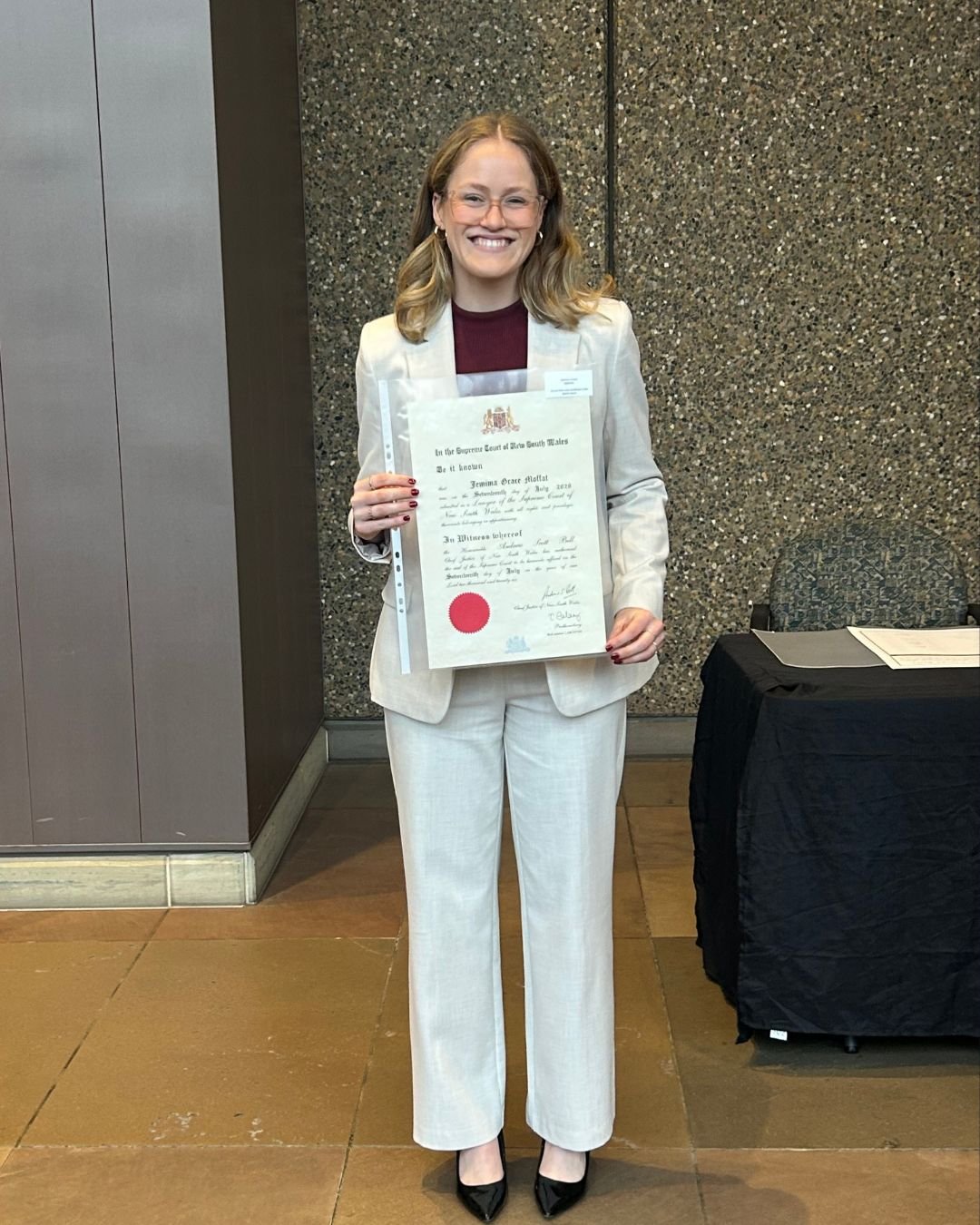
We congratulate Managing Consultant Jemima Moffat, whose admission to the Supreme Court of NSW was moved by Non-Executive Director Vivian Salim. Consultant Olivia Lee was also admitted to the Supreme Court of NSW, while Consultant Lorenzo Borje achieved admission to the Supreme Court of Western Australia.

Their admissions are a wonderful recognition of years of dedication, hard work and commitment to their legal careers. We are incredibly proud to celebrate this achievement with them.

Jemima Moffat with her admission certificate, Supreme Court of NSW
Jemima Moffat · Supreme Court of NSW
Jemima Moffat with Vivian Salim, who moved her admission
Jemima with Vivian Salim
Olivia Lee on her admission day
Olivia Lee · Supreme Court of NSW
Lorenzo Borje outside the Supreme Court of Western Australia
Lorenzo Borje · Supreme Court of WA

New faces in Sydney and Perth

As Hetherington continues to grow, we are pleased to welcome new members to our team. In Sydney, Katherine Vargoczky has joined our consulting team, alongside Lauren Mulligan as Office Administrator. Our Perth office has welcomed Grace Ehrenfeld and Amber Nutley, further expanding our team and supporting the continued growth of Hetherington.

Meet the team
Recent regulatory updates

What our consultants are tracking

Two significant shifts are moving through New South Wales this quarter – the future of greenfield coal exploration, and proposed land access amendments to the Mining Act. Here's what they mean for your tenements, timelines and compliance obligations.

NSWNew South Wales

The NSW Coal Industry 2026–50 Framework and what it means for greenfield coal exploration

The NSW Government's Coal Industry 2026–50 Framework ends the release of new areas for greenfield coal exploration and abolishes the Strategic Release Framework. Olivia Lee outlines what changes, who is affected, and the "use it or lose it" approach now applying to renewals.

Read the full updateHide the full update

Coal is one of the most significant contributors to the NSW economy. In 2025, the coal industry generated $23.4 billion in exports and contributed $2.7 billion in royalties in NSW, supporting employment, investment and regional communities across the State.

In March 2026, the NSW Government released the NSW Coal Industry 2026–50 framework (the "Framework"). The Framework sets out the Government's position on the future of coal in NSW and seeks to balance the continuing economic importance of the industry with NSW's contribution towards the net zero target and Australia's commitment to the Paris Agreement.

One of the most significant aspects of the Framework is the shift from facilitating new greenfield coal exploration towards managing existing coal operations.

Definition of greenfield exploration

Greenfield exploration refers to exploration undertaken in areas where there is no existing mining operation or established resource being developed. It involves searching for new mineral deposits and identifying previously undeveloped opportunities, generally with greater geological and commercial uncertainty than exploration associated with an established operation.

By contrast, brownfield exploration generally involves searching for additional resources in or around an existing mining operation or established resource.

Key change for greenfield coal exploration

Under the Framework, the NSW Government will no longer release new areas for greenfield coal exploration and will abolish the Strategic Release Framework. The Strategic Release Framework previously provided a mechanism for the NSW Government to identify and release areas considered prospective for coal exploration. The Framework therefore changes the pipeline through which new coal exploration opportunities can arise.

For an exploration company without existing coal tenure, the traditional pathway of obtaining access to a new prospective area through Government-led strategic release will no longer be available. Practically, companies seeking to discover a new coal resource in an area unrelated to an existing coal operation will have significantly fewer opportunities to do so.

This does not mean that all coal exploration in NSW has ceased. It reflects the Government's shift away from facilitating new, standalone greenfield exploration opportunities and towards supporting existing coal operations and their potential extensions, subject to applicable requirements. Coal exploration has not ended, but the pathway to new greenfield coal exploration has been significantly narrowed.

Key impacts for coal exploration

  1. Existing holders of coal tenure may continue to seek additional exploration areas through the Operational Allocation Framework. Operational Allocation provides a pathway for exploration areas connected to existing coal operations that may contain areas that have not previously been explored or developed. This is fundamentally different from the former Strategic Release Framework. An existing coal operator seeking to explore an area connected to its operation is in a different position from a new entrant seeking to establish an entirely new coal development.
  2. Barrier to entry. The Framework may also have implications for competition within the NSW coal exploration industry. By removing the pathway for new areas to be released for standalone greenfield exploration, the Framework potentially raises barriers for explorers that do not already hold coal tenure. Existing operators with established tenure may consequently be better positioned to access future exploration opportunities through mechanisms such as Operational Allocation.
  3. Use it or lose it. Existing exploration licences will continue to be supported under the Framework. However, future renewal applications will face more stringent assessment, with NSW Resources adopting a "use it or lose it" approach. We are already seeing this methodology in play. For existing explorers, this makes it important to consider whether their exploration programs justify the areas they hold and whether their tenure remains strategically important to the company and to NSW.

Key takeaways

The Framework represents a significant change in the future of coal exploration in NSW. It does not mean that new coal resources can never be discovered. Rather, the Government is moving away from opening entirely new coal exploration areas and towards exploration connected to existing coal operations. For companies without existing coal tenure, the pathway into standalone greenfield coal exploration is now significantly narrower. For existing coal operators, opportunities remain to explore additional resources where those opportunities can support existing operations.

The Framework shifts the focus from opening new coal exploration areas towards making greater use of existing coal operations and ultimately supporting the NSW Government in balancing the demands of the industry with environmental commitments.

These changes will be implemented through amendments to the State Environmental Planning Policy (Resources and Energy) 2021 and through the Mining Act 1992 (NSW).
NSWNew South Wales

Proposed amendments to the Mining Act 1992 (NSW) – practical effects on title holders

The Mining and Petroleum Legislation Amendment (Land Access) Bill 2026 proposes changes to mediation, arbitration, costs and reporting for land access – with an outcome expected to be published in September 2026. Jemima Moffat and Katherine Vargoczky step through the sections that matter for title holders.

Read the full updateHide the full update

The Mining and Petroleum Legislation Amendment (Land Access) Bill 2026 ("Bill") was introduced in the NSW Legislative Assembly on 24 June 2026 but not yet passed. The Bill amends the Mining Act 1992 (NSW) ("Mining Act") and the Petroleum (Onshore) Act 1991 (NSW) ("Petroleum Act") in relation to land access for mineral and petroleum exploration.

Member for The Entrance and geologist by profession Mr David Mehan gave the Second Reading Speech in defence of the Bill, stating that the key aim of the Bill is to "balance timely access to land for exploration while ensuring that the rights and interests of landholders are recognised, respected and protected." Relevantly, this is achieved through a series of amendments to the Mining Act, including provisions relating to mediation and arbitration, the powers of arbitrators, costs, land access arrangements, and reporting obligations of title holders.

Key takeaways

  • The Bill has not yet passed Parliament, meaning that some changes to the amendments may still occur.
  • Industry participation has been crucial in the drafting of the Bill, with legislators consulting with the NSW Minerals Council, AMEC, and NSW Farmers.
  • The Bill proposes: to provide arbitrators with additional factors to consider when determining costs of mediation, including the behaviour of the parties during the process; additional reporting obligations on title holders in relation to land access mediation and arbitration; and extended powers for the Minister for Natural Resources in relation to the appointment, removal and reappointment of arbitrators.
  • NSW Resources has introduced the Guideline: A landholder's guide to exploration ("Guideline"), released for landholders to follow in relation to land access rights and obligations.

Key impacts

The Bill is still being debated in NSW Parliament and an outcome is expected to be published in September 2026. Key changes to consider are:

Section 137A: Defined start and end points for negotiations, mediations and arbitrations

By providing clear criteria for the start and end of a statutory process, the ability to later challenge the enforcement of an arbitrator's decision by claiming the statutory process had not validly begun or ended is reduced.

Section 145A: No compulsory arbitration hearing after a failed mediation

Where mediation is terminated under section 145A(3) of the Mining Act, and the title holder does not wish to proceed with arbitration, the arbitrator is not required to arrange a hearing. This will provide greater flexibility to title holders in the mediation process by not forcing the parties into a compulsory arbitration hearing.

Section 145A(3A): New grounds on which an arbitrator may terminate a mediation

Under this new proposed section, an arbitrator may terminate a mediation if:

(a) one of the parties has failed to attend the mediation, or a meeting or other event connected with the mediation, without giving a reasonable excuse, or

(b) one of the parties has unreasonably failed to agree on, or respond to a request for, a suitable time for the mediation or a meeting or other event connected with the mediation, or

(c) one of the parties has not acted in good faith.

This amendment encourages good faith and timely communication in mediations, to avoid delays and intentional disruption meant to increase costs.

Section 148B(2) and (3): Site inspections during mediation

During mediation, an arbitrator may authorise the title holder (or its employee, agent or nominee) to accompany them on a site inspection. This amendment will formalise processes which often occur, and will provide greater procedural clarity around site inspection attendance. It will also allow for a clearer understanding of the issues on the ground by the title holder.

Section 151A(1)(d): Provision for costs to be determined both before and after termination of mediation

The arbitrator involved in mediation may make costs determinations both before and after mediation is terminated in consideration of the behaviour of the parties and extenuating circumstances. This will extend the scope of arbitral costs determinations to the mediation stage.

Section 151A(4): Arbitrator to consider the behaviour of landholders during negotiation and dispute resolution when determining costs

The Bill proposes to clarify the meaning of a landholder acting 'unreasonably', by introducing factors the arbitrator is to consider when determining costs. The new provision proposes that unreasonable delay tactics employed by landholders during negotiations, mediation and arbitration are within the scope of a costs determination in favour of the title holder.

Section 151B: Arbitrator may make interim decision in absence of one or both parties

To avoid doubt, an interim determination or final determination may be made by an arbitrator even if one or more parties have failed to attend a hearing. This proposed provision addresses non-participation as a delaying tactic.

Section 157: Title holders to bear the costs of variation to access arrangements

For arbitrated land access arrangements, section 157(4) currently states that parties bear their own costs for mediation and arbitration relating to variation of access arrangements. The Bill proposes that where a title holder seeks to vary an existing access arrangement, the title holder will now bear the reasonable costs. However, where a landholder seeks the variation, each party will bear its own costs.

Title holders will be encouraged to draft comprehensive access agreements with landholders to reduce the likelihood of variation requests to avoid unnecessary costs.

Section 163C(1A): New reporting obligations for title holders

Title holders must prepare and lodge reports about engaging in negotiations, mediations and arbitrations for access arrangements, and about accessing land under access arrangements.

There is currently no guideline available for these proposed reporting obligations, however as alluded to in the Second Reading Speech of the Bill, it is likely that the information submitted by title holders will remain confidential.

Important cases

The Kelly Review

The most consequential development for WA tenement holders this year – a root-and-branch review of native title and heritage processes, and a Government committed to acting on it.

WAWestern Australia

Kelly Review – Review of Native Title and Heritage Processes in Western Australia

Commissioned in May 2025 and tabled in Parliament in June 2026, the Kelly Review delivers 25 recommendations across eight focus areas – from replacing the RSHA to regulating heritage consultants. The WA Government has backed most of them, with $3.2 million committed and a standards working group now underway.

Read the full updateHide the full update

On 30 May 2025, the Government of Western Australia ("WA") commissioned a review of native title and Aboriginal cultural heritage processes in WA's mining and exploration sector. The review focused on improving the efficiency and effectiveness of existing policies and processes for native title parties and industry proponents without requiring legislative reform.

The review was conducted by National Native Title Tribunal Member Mr Glen Kelly, who delivered 25 recommendations for fit-for-purpose reform of cross-agency policies and processes. The consultation process included regional forums and direct engagement with native title parties, Prescribed Bodies Corporate ("PBCs"), other Aboriginal stakeholders, representatives of industry proponents, and WA Government agencies.

The final report was delivered by the National Native Title Tribunal on 9 February 2026 and was tabled in the Parliament of WA on 9 June 2026.

Key findings

The consultation identified several recurring concerns: the financial burden on native title parties and industry proponents; duplication across the relevant frameworks; inefficiencies and funding constraints that limit PBC capacity and delay exploration and project development; and increasing reliance on consultants amid rising survey, legal and heritage costs.

The review made 25 recommendations across eight focus areas: the administration of the expedited procedure; heritage protection agreements; heritage survey processes and standards; policy and guidance improvements; consultant standards and accountability; government coordination; native title party capacity building; and long-term future act arrangements.

A number of the key recommendations included:

  1. Replacing the Regional Standard Heritage Agreement ("RSHA"). The review recommended retiring the RSHA, which government policy currently imposes as a mandatory compliance requirement for relevant exploration and prospecting titles, and replacing it with more contemporary and consistent arrangements.
  2. Creating a Standard Heritage Framework for exploration. The review proposed a standardised Aboriginal cultural heritage process for exploration and prospecting activities, with consistent conditions for low-impact titles and greater certainty for affected parties.
  3. Reforming the expedited procedure. The review recommended examining how WA Government agencies administer the expedited procedure under the Native Title Act 1993 (Cth) and introducing minimum consultation standards for exploration activities.
  4. Strengthening PBC capacity. Providing funding, training and support programs for PBCs and native title organisations so they can engage more effectively in future act and heritage processes.
  5. Regulating heritage consultants. The development of a consultant code of conduct, professional standards, a certification/decertification framework, and greater accountability for anthropologists, archaeologists and heritage advisers.
  6. Improving government coordination. The review recommended a cross-agency examination of Aboriginal consultation requirements to reduce duplication between government agencies.
  7. Expanding heritage survey guidance. Developing consistent technical guidance, reporting standards and survey methodologies through the Department of Lands, Planning and Heritage.
  8. Encouraging broader future act agreements. The review recommended investigating the use of Indigenous Land Use Agreements ("ILUAs") and other standardised arrangements to simplify future act processes and reduce repetitive negotiations.

WA Government response

The WA Government supported, or supported in principle, most of the review's 25 recommendations and allocated an initial $3.2 million to implementation. Its proposed policy and administrative measures include: a statewide Aboriginal cultural heritage standard for exploration and prospecting; incentive funding and broader capacity-building support for PBCs and other native title organisations; regulation of heritage consultants through codes of conduct, certification and professional standards; improved guidance on surveys, agreements, consultation, compensation and native title processes; and better access to heritage and native title information to support earlier engagement.

Implementation continued with the establishment of the Native Title and Heritage Standards Working Group, chaired by Glen Kelly, in September 2026. Its initial tasks include developing an Interim Heritage Standard for mineral exploration and a standard process agreement for mining tenements.

For tenement holders, the reforms are expected to replace the RSHA, standardise exploration heritage and potentially future act processes, increase scrutiny of consultant costs and practices, strengthen PBC responsiveness and provide more consistent government guidance.

Conclusion

The WA Government's commitment to reform reflects the review's central conclusion that the existing system is too complex, costly and slow for both proponents and native title parties, but can largely be improved through policy, guidance, standards and coordination rather than wholesale legislative change.

The current target timeframes for implementing the government-supported recommendations range from 6 to 24 months.

Questions about what these changes mean for your project?

Our consultants track every shift in tenure, land access and compliance across Australia – so you don't have to. Get in touch to understand what the latest updates mean for your approvals, obligations and timelines.

Get in touch

Sydney

Level 9, Suite 901, 15 Castlereagh Street
Sydney NSW 2000
02 9967 4844
sydney@hemts.com.au

Perth

Allendale Square, Level 20, Suite 2
77 St Georges Terrace, Perth WA 6000
08 9228 9977
perth@hemts.com.au