A tenement grants the right to explore or mine, but it rarely grants an unqualified right to simply walk onto the land and begin. In most cases, a resources company must also navigate land access: the arrangements, agreements and, at times, negotiations that govern actually getting onto the ground where others, pastoralists, landholders, and communities, have their own rights and interests. Handled well, land access is a manageable process built on sound agreements and good relationships. Handled poorly, it becomes one of the most persistent sources of friction, delay and cost a project can face. This article explains what land access involves, why the relationship matters as much as the paperwork, and how to get it right from the start.
The Right to Mine Is Not the Right to Enter
A common and costly misunderstanding is the assumption that holding a tenement automatically confers an unfettered right to access the land. In reality, the land over a tenement is often subject to other interests, private landholders, pastoral leaseholders, and others, whose rights coexist with the tenement holder’s, and accessing that land generally requires appropriate arrangements rather than simply turning up. The tenement is a necessary foundation, but it is not the whole picture.
This is where land access arrangements come in. Depending on the jurisdiction and the nature of the land, these may involve access or compensation agreements with landholders, notification requirements, and specific processes that must be followed before activities can begin. Understanding what is required for a particular tenement, and putting the right arrangements in place, is essential to getting onto the ground lawfully and without avoidable conflict.
Why the Relationship Matters as Much as the Agreement
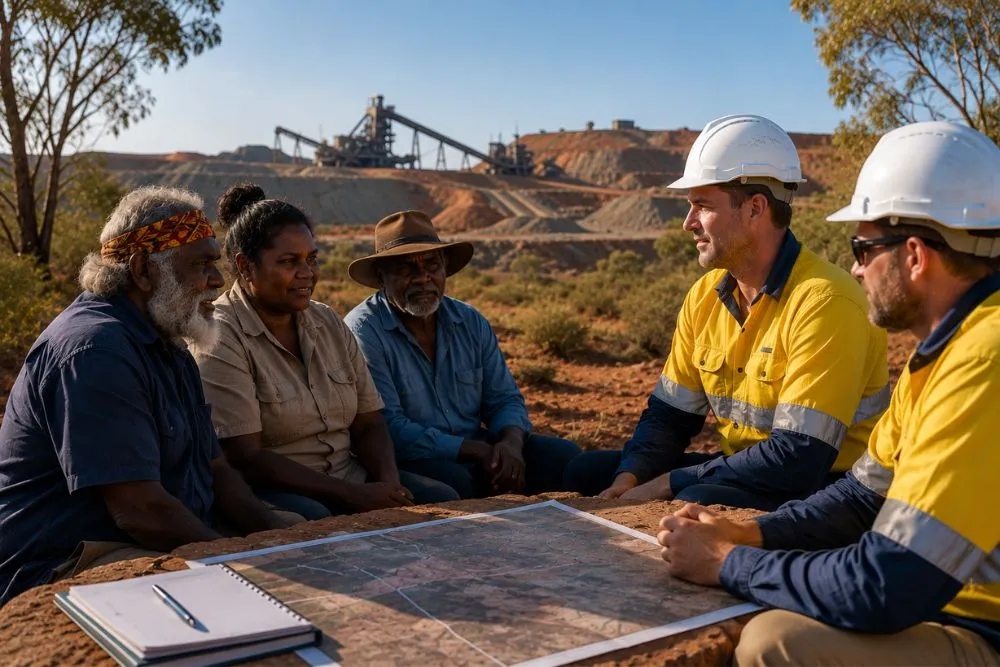
It is tempting to view land access as a purely legal or transactional matter, but experience consistently shows that the relationship with landholders matters just as much as the agreement on paper. A project may operate on or near a person’s property for years, and a relationship built on respect, clear communication and fair dealing tends to produce far smoother operations than one built on friction or a sense of imposition.
This is not merely a matter of goodwill; it is commercially significant. Good relationships with landholders reduce the risk of disputes, delays and objections, and make the practical business of operating on the land far easier over a project’s life. Companies that invest in genuine, respectful engagement with the people whose land they access generally find that investment repaid many times over, whereas a transactional or adversarial approach tends to generate ongoing problems.
When Agreement Isn’t Reached
Ideally, land access is settled through negotiated agreement, but that is not always possible, and it is important to understand what happens when parties cannot reach agreement. In many jurisdictions there are established processes, potentially including landholder arbitration or determination by a relevant body, for resolving access and compensation where negotiation fails. Knowing these processes exist, and how they work, is part of navigating land access competently.
The existence of these fallback processes does not diminish the value of reaching agreement wherever possible; negotiated outcomes are generally preferable for both sides. But understanding the full framework, including what happens if agreement is not reached, allows a company to approach negotiations realistically and from an informed position. Experienced guidance helps here, both in negotiating agreements and, where necessary, in navigating formal processes properly and fairly.
Getting It Right From the Start
The overarching lesson of land access is that early, well-managed engagement pays lasting dividends. Understanding the land access requirements for a tenement before activities are planned, initiating engagement with landholders in good time, and approaching agreements fairly and professionally all set a project up for smoother operations. Land access left until the last minute, or approached carelessly, tends to create exactly the friction and delay it should avoid.
Because land access sits at the intersection of law, negotiation and relationships, it benefits from experienced support that understands all three. Specialists in land access and landholder engagement can help structure sound agreements, guide respectful engagement, and navigate formal processes where needed, turning a potential source of ongoing conflict into a well-managed foundation for a project. Getting the relationship right from day one is one of the soundest investments a resources project can make.
The Takeaway
A tenement grants the right to explore or mine, but not an unqualified right to enter land that others also have interests in, which makes land access, the arrangements, agreements and relationships that govern getting onto the ground, a critical and often underestimated part of any project. The paperwork matters, but so does the relationship: respectful, early, fair engagement with landholders produces far smoother operations than a transactional approach. For companies navigating land access across Australia, Hetherington offers experienced guidance, and you can get in touch to discuss your projects.
Frequently Asked Questions
1. Does holding a tenement give me the right to access the land?
Not automatically. A tenement grants the right to explore or mine, but the land is often subject to other interests, such as private landholders and pastoral leaseholders, whose rights coexist with the tenement holder’s. Accessing that land generally requires appropriate arrangements, potentially including access or compensation agreements and notification, rather than simply turning up.
2. What are land access arrangements?
Land access arrangements are the agreements and processes that govern getting onto the ground where a tenement is held. Depending on the jurisdiction and land, they may involve access or compensation agreements with landholders, notification requirements, and specific processes that must be followed before activities begin. Putting the right arrangements in place is essential to accessing land lawfully.
3. Why does the relationship with landholders matter so much?
Because a project may operate on or near a person’s property for years, and a relationship built on respect, clear communication and fair dealing produces far smoother operations than one built on friction. Good landholder relationships reduce the risk of disputes, delays and objections, making the practical business of operating on the land easier over a project’s life.
4. What happens if a landholder and company can’t agree?
In many jurisdictions there are established processes, potentially including landholder arbitration or determination by a relevant body, for resolving access and compensation where negotiation fails. Negotiated agreement is generally preferable for both sides, but understanding these fallback processes allows a company to approach negotiations realistically and from an informed position.
5. When should I address land access for a project?
As early as possible. Understanding the land access requirements for a tenement before activities are planned, initiating engagement with landholders in good time, and approaching agreements fairly all set a project up for smoother operations. Land access left until the last minute tends to create exactly the friction and delay that early, well-managed engagement avoids.
This blog is intended for general informational purposes only and does not constitute legal, financial or professional advice. Mining and exploration tenure is governed by legislation that varies between jurisdictions and changes over time, and every project’s circumstances are unique. Please seek tailored professional advice before acting on any matter discussed here. Hetherington is happy to discuss how these issues apply to your specific tenure and projects.