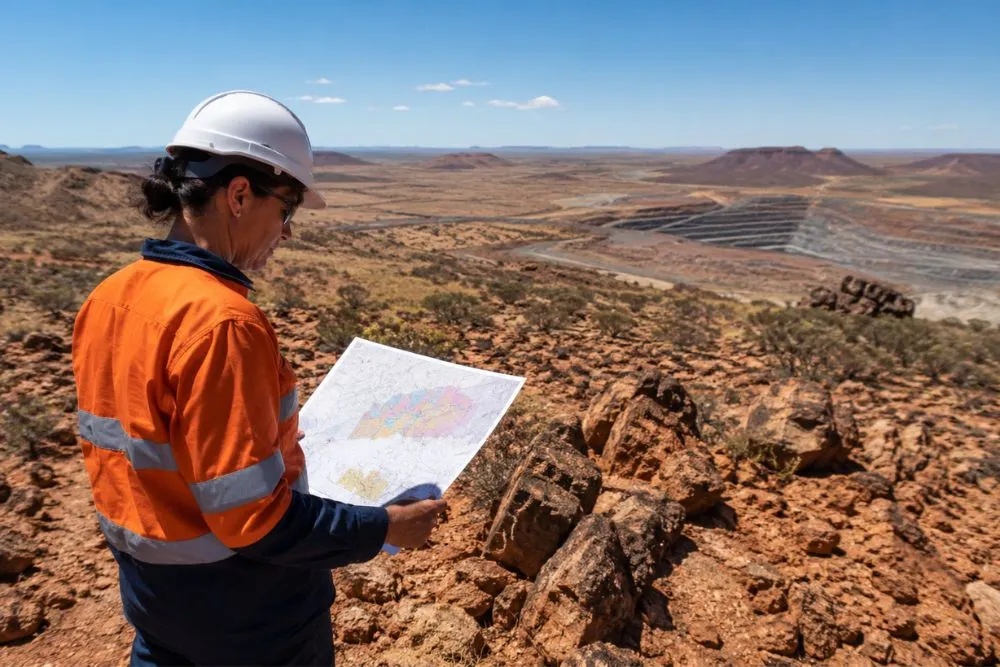
Mining and exploration tenements that cross state or territory borders can involve several separate regulatory systems. Each jurisdiction has its own legislation, agencies, application processes, fees and reporting requirements. A task that appears similar across two areas may therefore need different documents, timing and follow-up.
Cross-border tenement management Australia-wide calls for a clear view of each tenement’s location, status and obligations. Understanding the differences early can help you organise work and keep track of separate requirements.
Why cross-border tenement management needs a jurisdiction-by-jurisdiction approach
Mining and exploration rights are administered under the laws and processes of the relevant state or territory. There is no single national tenement system that replaces each jurisdiction’s rules. Your obligations depend on where each tenement is located and the type of tenure involved.
The names used for tenure, the responsible government department and the steps for applications can vary. Even when two jurisdictions use similar terms, the detailed requirements may not be identical. Check the rules that apply to each tenement rather than assuming one state’s process will carry across a border.
A project may also include tenements held by different entities, at different stages or under different conditions. Keeping these details together in one register can help you see where processes overlap and where they need separate attention.
Hetherington provides mining and exploration tenement management and advisory services Australia-wide, including cross-border management. The work can involve coordinating jurisdiction-specific tasks while keeping each tenement’s requirements distinct.
Build a reliable register for every tenement
A current register is a practical starting point. Record the jurisdiction, tenure type, holder, relevant identifiers, grant and expiry details, conditions, and key obligations for each tenement. Note any applications or approvals in progress, along with the responsible contact and next action.
Set out important dates in a shared calendar or tracking system. Renewal windows, annual fees, expenditure periods and reporting deadlines may differ between jurisdictions. A single project milestone list can hide those differences, so link each date to the particular tenement and applicable process.
Keep copies of notices, submissions, receipts, decisions and supporting records in an orderly file structure. These documents can help you confirm what has been lodged and identify follow-up actions. Make sure the people who need to manage the tenements can access the current records.
Review the register when a tenement changes status, a new application is made, or project responsibilities shift. Regular checks can also help identify missing information before a deadline approaches.
Track different applications, fees and reporting duties
Application steps and forms are set by each jurisdiction. A renewal application, new exploration licence application or work approval may require different information, supporting material and lodgement methods depending on where it applies. Confirm the current requirements with the relevant government department before preparing a submission.
Annual fees and compliance duties need careful tracking too. Fees, due dates and the consequences of non-payment are governed by the applicable rules and the specific tenure. Avoid relying on a single reminder for a group of tenements unless it clearly identifies each separate obligation.
Expenditure and statutory reporting can also vary. Record the period covered, the relevant tenement, the reporting format and any evidence needed to support the information. Where an amalgamated expenditure arrangement may be relevant, check the jurisdiction’s criteria and application process before relying on it.
A cross-jurisdiction schedule can show shared responsibilities without treating the requirements as interchangeable. Assign an owner to each task and retain a record of completion and any department correspondence.
Account for land access and native title processes
Tenement management can involve matters beyond lodging forms and meeting reporting dates. Access to land may require agreements or other steps with landholders, and the process depends on the circumstances and relevant legal framework. Keep land access discussions and commitments linked to the tenement and area they concern.
Native title considerations may also arise. Depending on the tenure and proposed activity, processes can include notification, negotiation or other statutory steps. The right to negotiate provisions are part of the Native Title Act 1993 (Cth), but how they apply depends on the circumstances and the proposed grant or activity.
Do not assume that completing a process in one jurisdiction resolves access or native title matters elsewhere. Identify the relevant land, tenure and activity, then confirm which requirements apply. Allow time to understand any related steps before scheduling work.
Good records of notices, agreements, correspondence and decisions can make it easier to track responsibilities across a project. For legal questions about a particular matter, seek advice from a suitably qualified professional.
Set up practical coordination across borders
Start by mapping all tenements against their jurisdiction and current status. Then check the applicable legislation, agency guidance and conditions for each one. Government requirements can change, so use current official sources when confirming forms, deadlines and processes.
Create a responsibility matrix for applications, fees, reporting, land access and native title tasks. Identify who prepares, reviews and lodges each item, and who checks for updates from the relevant department. This is especially useful when several teams or advisers contribute to a project.
Use consistent internal naming and filing practices, while keeping jurisdiction-specific documents and deadlines clearly labelled. Schedule periodic reviews to confirm that the register remains accurate and that upcoming obligations have not been missed.
For complex or changing portfolios, external tenement management support may help coordinate administration and compliance tracking across jurisdictions. The scope of support should be clear, including which tasks remain the holder’s responsibility.
The Takeaway
Cross-border tenement management depends on keeping a clear record of each tenement and checking the rules, deadlines and processes that apply in its jurisdiction. Hetherington provides Australia-wide mining and exploration tenement management and advisory services. Get in touch via the contact page.
Frequently Asked Questions
1. What does cross-border tenement management involve?
It involves coordinating mining and exploration tenement administration across more than one state or territory, while tracking the separate rules, applications, fees and reporting duties that apply in each jurisdiction.
2. Do mining tenement requirements vary between Australian states?
Yes. Each state and territory has its own legislation, government processes and requirements. The details depend on the jurisdiction, tenure type and circumstances, so check the relevant official guidance.
3. Can I use one compliance calendar for tenements in different jurisdictions?
A shared calendar can help, provided each deadline is clearly linked to the correct tenement and jurisdiction. Keep the underlying requirements separate and confirm dates against current official information.
4. Do native title processes apply to every exploration tenement?
Not necessarily. Whether native title processes apply depends on the tenure, proposed grant or activity, and the circumstances. Confirm the relevant process for the particular matter.
5. Who is responsible for meeting tenement obligations?
The holder remains responsible for understanding and meeting obligations, even if administrative tasks are handled by staff or an external provider. Make responsibilities and review arrangements clear.
This article provides general information only and is not legal advice. Requirements depend on the circumstances and may change. Hetherington is named for information about its services, not as a substitute for advice on a specific matter.